The Rise of Sephora Kids
Being a 20-something year old with adult money is not enough anymore. The sephora kids are competing against you.
What is a sephora kid? Well, she is a 12 year old girl swiping her parent’s credit card left and right at a makeup store. Is this a safe space to say I envy her? Seeing a young girl shop for retinol says a lot about the world we live in. Social media allows them to worry about their skin and wrinkles when they really don’t need to. This is one of the many cases when children are growing up faster, and no one is stopping them– especially since they are giving these brands money and business.
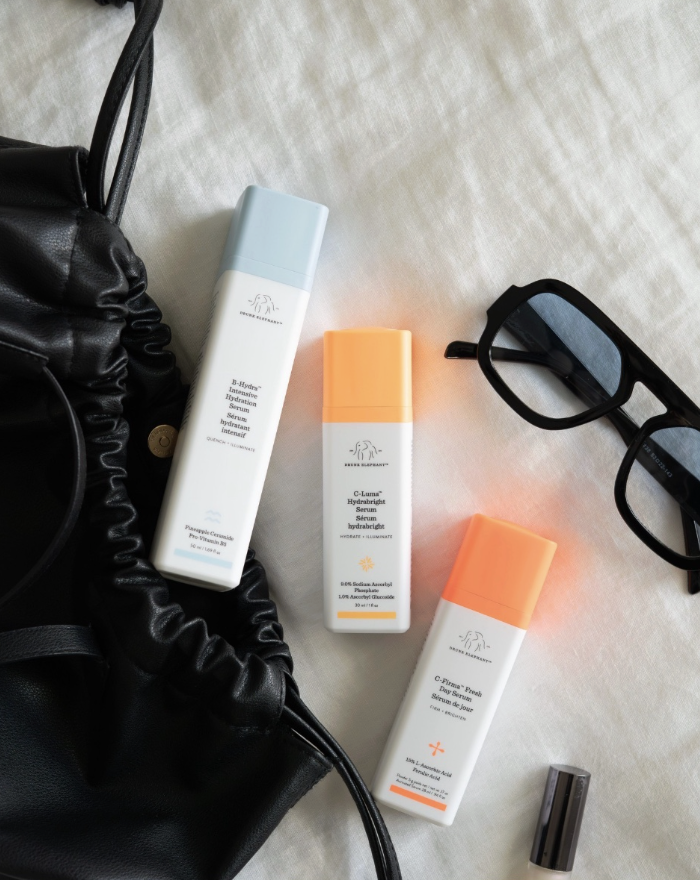
Being a kid in the 20th century and growing up in social media has allowed Gen Alpha to normalize these spending habits. They face pressure to follow trends and consume products they do not need. However, America loves it. Research shows Generation Alpha has spent more on skincare and makeup than any other age gap– showing $4.7 billion in 2023. This is where the term “sephora kid” came into play. Experiencing this as a 21-year old whose parents never allowed them to use makeup and skincare, has truly shaped the way I view Gen Alpha and the consumer behavior influence.
This is not to say I didn’t need it. In fact, I started having acne at the age of 12, so desperately needing concealer to cover up in hopes to avoid getting bullied. Kids nowadays won’t be able to experience authenticity as much as Gen Z did when we were their age. With these products, they are able to hide themselves and willingly choose to live a false reality before real life catches up. Soon enough, they will sadly compare themselves with other girls way before they even intend to.
So whose to blame? Some people can say their parents, while others can say social media. Having such easy access to TikTok and Instagram is where these habits start. Young girls start following influencers that want to be like them. These influencers remind them they can buy the same products that make them look a certain way. The launch of the TikTok shop has influenced kids even more. When Sephora is a big hassle to travel to, TikTok shop allows kids to purchase straight from influencers from links they use. This allowed creators to make more money– profiting off of young girls' consumer behavior.
I interviewed my sister, Maryam Gharbian, who is older than me (25) and has shaped my influence on beauty products.
When asked if she ever wanted makeup growing up she said, “Yes, all the time. But I couldn’t get it all the time. I was only allowed to buy something I wanted with my own saved up money. Even then– I probably was able to purchase up to two products. It still made me really happy”.
I asked her how she found out about these products. She answered “Youtube Channels and Instagram. Youtubers like Bethany Mota and Alisha Marie played a huge role in my makeup collection. Also, Kylie Jenner had just launched her makeup collection. You know, the iconic 2016 era.”
While my sister is Generation Z, she also was heavily influenced by social media. However, the level Generation Alpha consumes has a much larger scale. It is much more accessible and normalized nowadays.
Maryam’s answer to being asked if she ever felt like she needed makeup was very crucial to the rise of the Sephora kid. “Yes, because I wanted to be pretty like them. And when I realized I can own the same product as them, it made me excited. In my head, I was living a life just like theirs and I think that is what these kids want these days. ”
Kids purchasing products with their parents' money isn’t just one concern, there’s a whole other concern that needs to be raised. Is it safe for them? From a dermatologist's research, it’s shown that children’s skin is more sensitive and susceptible to irritation compared to adult skin. So while kids are excited about trying a skincare product, it’s probably aging them before they get the chance to actually age.
The concept of kids treating “problems” they don’t even have says a lot about what social media era we are in. While there are probably kid- friendly companies, pre-teens want to speed their way up to adulthood.
“The Sephora Kid” is still just a kid. They most probably don’t realize the negative effects this has on them. Most of the time they’re just trying to find a sense of belonging.
The influence of social media goes beyond just purchasing. It has a lot to do with mental health. Research has shown that Gen Alpha with social media use is associated with cyberbullying and poor sleep. As children spend more time consuming social media, they start to question their confidence. When bullying comes into play, it’s no shock kids try to fix or change their identity.
This probably also plays a role in wanting the expensive products. Given that drugstore skincare is still an option, children usually opt for the luxury world. They want to show off an expensive lip oil rather than a bracelet rainbow loop they’ll probably never make. This allows them to escape to a place they want to already feel mature about. Rushing childhood is a normal occurrence, but when multi-million businesses come into play, that is when certain concerns in the social media world start raising.
I
t’s no brainer the phenomenon of a “Sephora Kid” raises concern from the parents. Some parents have allowed this to happen and continue to let it happen, while others have taken account to end this type of consumer behavior. Parents can accidentally set unrealistic expectations for their kids– especially when they are some Moms whose hobby is to purchase the same products.
This isn’t to say children are harmful– in fact, these kids are getting tricked into believing in social media culture and consumerism. Ultimately, the beauty industry is reshaping childhood itself, and the debating surrounding a Sephora Kid is continuing to grow.
