Beyond the Glam: The Reality of Being a Drag Queen in New York City
You’ll find a drag queen that is in charge of the stage on any given night in New York City, cracking jokes, lip-syncing flawlessly, and creating outfits that might compete with a fashion runway. It's magic to the audience.
We examine the emotional, financial, and personal aspects of drag through interviews with three queens at different stages of their careers: a rising star, a local mainstay, and a queen with a developing following. These queens talk candidly about the highs and lows of competing in one of the world's most competitive drag scenes, from developing a persona to advancing their careers.
My first interviewee has only been performing drag for about two years— but she has been established locally and the stage is nothing new to her. Sorayah D, 31, born and raised in New York, and has always been performing in some way since she was a kid. From cheerleading to commanding a mic in full glam, she’s always had a flair for the spotlight. Sorayah, who herself is a trans woman, spoke passionately about the trans community and the issues that matter the most to her. “Usually girls will do drag and then they’ll realize they’re trans and start transitioning. But for me, it was the opposite. I transitioned before I even started drag.”
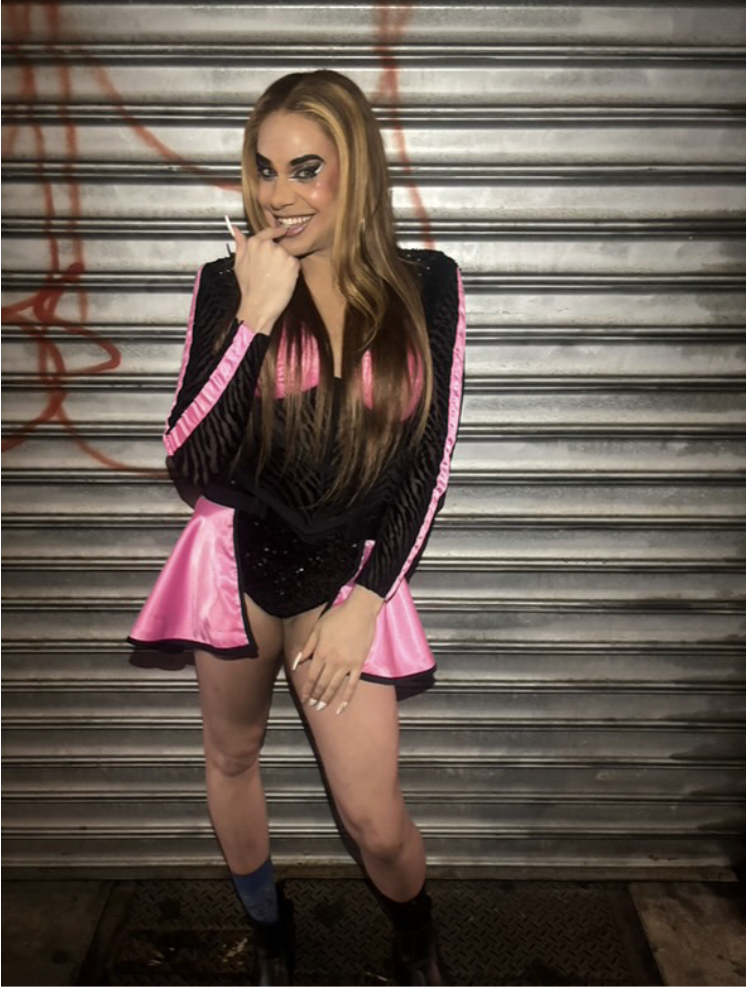
Drag was an extension of Sorayah's gender identity, not the cause of it. Her experience contradicts the widely held belief that drag is how many trans people find themselves. Rather, she discovered drag after she had already come to terms with her identity, using performance to more openly express it rather than to explore it. Particularly for trans people juggling visibility and belonging in the scene, her narrative illustrates the complex, intensely personal ways drag interacts with identity and community.
Drag is often thought of being a glamorous and glittery night out with flashing lights. But it's much more than a show for New York's working queens. This one-person production is based on perseverance, creativity, and countless self-promotion. “As a drag artist, people don’t understand there are so many layers to not just our industry, but being the artist yourself. You are the talent, manager, producer. You are your own promoter, your own makeup artist, your own dj/mixer. It’s a multilayer job.”
Since there isn't a built in support system, drag performers frequently take on several responsibilities in order to remain active and financially stable, including manager, stylist, promoter, and artist. The journey of Sorayah demonstrates the true work required to establish a name, maintain momentum, and uphold artistic integrity. Her story highlights the amount of work that goes on behind the scenes in drag, which goes much beyond what the public witnesses.
Milestones are difficult to achieve in the fast-paced world of drag, particularly for rookie performers who are still getting their bearings. However, for other queens, like Sorayeh, her first moments of fame arrive sooner than anticipated, signaling an exciting change in their profession and self-esteem. “One of my biggest breakthroughs was when I performed at a festival called “Bushwig.” It’s very unlikely for people in their first two years to be selected— out of 700 applicants, only 275 got chosen so it was quite a big honor.”
More than a professional accomplishment, Sorayah needed a reminder of her value at the moment she was chosen for Bushwig. She had only been in drag for two years and was going through personal changes, so the notoriety gave her self-assurance and direction. It demonstrated that her work was recognized, appreciated, and taken seriously even during her doubtful periods.
Many drag artists are quietly battling struggles that the audience never sees. For Sorayah, the past year brought more than creative challenges—it brought survival. “I lost my job, got kicked out of my apartment because I was no longer able to afford it, I was couch surfing on friends' couches, and then I had to unfortunately, move into a homeless shelter. Navigating being trans in this world that’s not so inclusive, it’s important for me to be an activist while also leaving room for me to be okay, mentally and physically.”
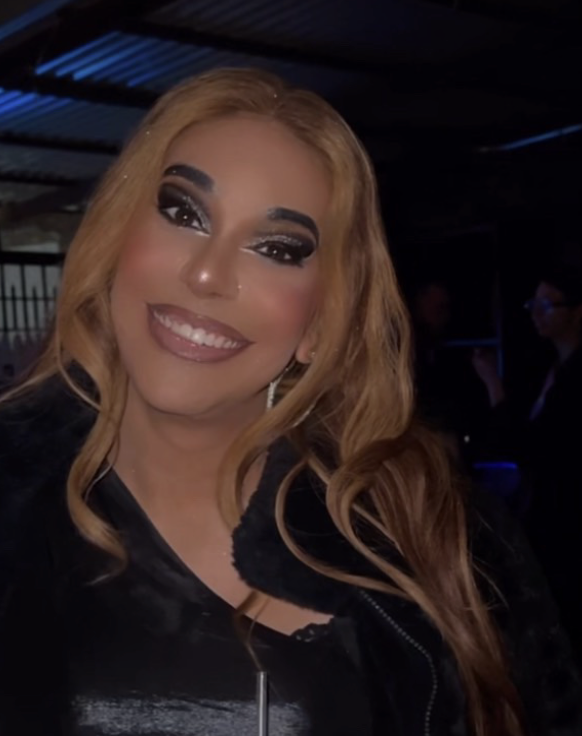
Even as she dealt with the psychological effects of being trans in a society that frequently seems unsafe, Sorayah continued to perform despite housing instability and financial loss. Her narrative demonstrates how drag is more than simply art; it's a means of self-preservation, healing, and resistance. She continues to be dedicated to activism while learning how to take care of her own physical and emotional health.
For artists like Sorayah, it's also a deeper form of strength, power, and survival. Drag is still a fearless statement of identity and resistance in a society that continues to question LGBTQ+ existence. “It’s important for us as drag artists to remember that drag was, is, and will forever be a political statement. It was made to make sure that we are fighting for our right to exist and also for others who are not as strong as we are, or who haven’t figured out how their queerness is a gift.”
Produced by Sorayah, "Transitivity" is a quarterly fundraiser that features over 15 trans performers in exciting events with raffles, prizes, and a strong message. In keeping with Sorayah's goal of using activism and performance to help and uplift her community, the upcoming event, which is scheduled to take place in Brooklyn NY, will benefit the NY Transgender Advocacy Group. The first event collected almost $1,000 for a trans organization.
BOY VII GORGE, 33, an Indiana native, has made a name for herself in the drag scene of New York City thanks to her bold, genre-bending aesthetic and diligent do-it-yourself work ethic. She is operating her own trail without the need for Drag Race, as proven by her 5,000+ Instagram followers and performing credits that include the Gossip Girl reboot and the Kesha Rainbow Ride.
“If you wanna see drag, go out to your local queer spaces and support the local girls. We need the support, the bars need the support, and you’re getting the rawest of talent, especially here in NYC!”
Even while BOY VII GORGE acknowledges the impact of programs like Drag Race, she thinks local venues and community-built platforms continue to remain the beating core of drag. Passion, not celebrity, is what motivates her work, whether it is creating events, parodying musicals, or just showing up for the scene. Drag, in her opinion, is about fun, visibility, and encouraging others.
BOY VII GORGE may seem to have it all figured out with her expanding platform, flawless performances, and savvy internet presence. However, the tale behind the carefully chosen postings and noteworthy gigs is one of perseverance, loss, and survival. Born in Indiana and currently working full-time in New York City, she has put a lot of effort into creating a life that many people believe was given to her. “I’ve done a little bit too good of a job of presenting and painting this public image that I’m well off and privileged. Am I doing well for myself? Yes—but it’s truly off self perseverance, survival, and hustle.”
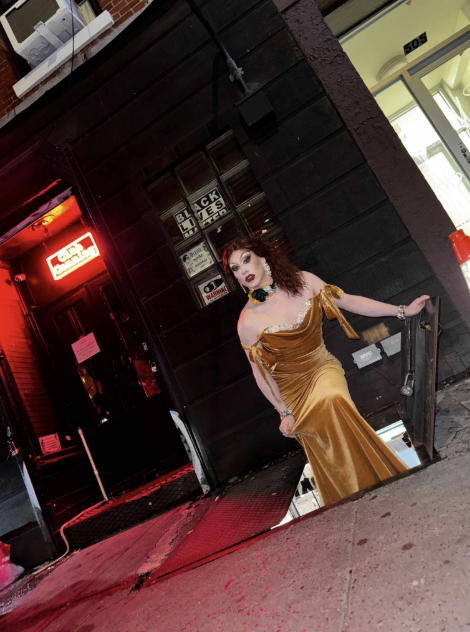
Boy VII George is a survivor as well as a performer. Her journey to NYC drag glory was not a simple one, since she was reared by her grandmother after fleeing from home at the age of 14. She now juggles her work and a full-time "muggle " job, giving it her all to survive in the city that helped to define LGBT culture. Her narrative serves as a reminder that fame doesn't make the struggle go away and that every glamorous queen is a person struggling to find happiness, stability, and meaning in life.
Performers are being offered sponsorships and collaborations more frequently as more companies capitalize on the cultural impact of drag, but not all alliances are made equal. Being grounded for BOY VII GORGE entails establishing boundaries, being aware of her value, and not sacrificing the meaning behind her creation.
“My drag is my own personal love letter to the woman who raised and protected us queer individuals. You won’t see me doing any collabs with brands like Chick-Fil-Hate, Hobby Lobby, or The Current Presidential Administration.”
BOY VII GORGE takes a deliberate approach to each brand opportunity, giving equal pay, creative control, and compatibility with her beliefs top priority. She views drag as a business and a very personal form of self-expression, handling everything from budget negotiations to aesthetic protection. Authenticity is the cornerstone for her, not a choice. Also, the contract is off the table if the message does not empower her community.
With one year and six months of experience and 1.6K Instagram followers, this 23 year old "baby queen" continues to work hard for every booking. Her stage name—Spice Diamond, mentions beneath the new style and rapid rise is an important lesson in drag economics: sometimes it costs more to appear
amazing than it does to make money. “Tip your queens! It’s very expensive to look cheap. Drag is not for the weak and it’s a very very expensive art form. Every dollar counts and every dollar makes a difference.”
Every upgrade, whether it's a new wig, a custom mix, or a single pair of lashes, is a calculated risk that may make or break her next booking. An engaged audience can multiply that six-fold in tips, transforming a break-even night into a real profit. Guest spots rarely bring in more than $100. These suggestions provide the money for extravagant costumes, more precise choreography, and the self-assurance to perform on larger stages.
Spice Diamond was in a downward cycle of bad habits way before the sequins and the spotlight. Missing meals, numbing herself with medications, and losing her sense of purpose—everything changed when she entered drag. “Before drag, I was depressed with medication for depression, barely eating and on drugs. Drag saved me, it gave me a family and a community.”
To outsiders, drag seems like it's all glitter and sparkles, but for performers, it’s therapy. It exchanges loneliness for a chosen family, and boosts self-confidence on a daily basis. That alchemy is important in the current environment of anti-LGBTQ+ backlash and mental health strain because each show demonstrates that authenticity can triumph over hate on the smallest community stage, and supports queer spaces monetarily.
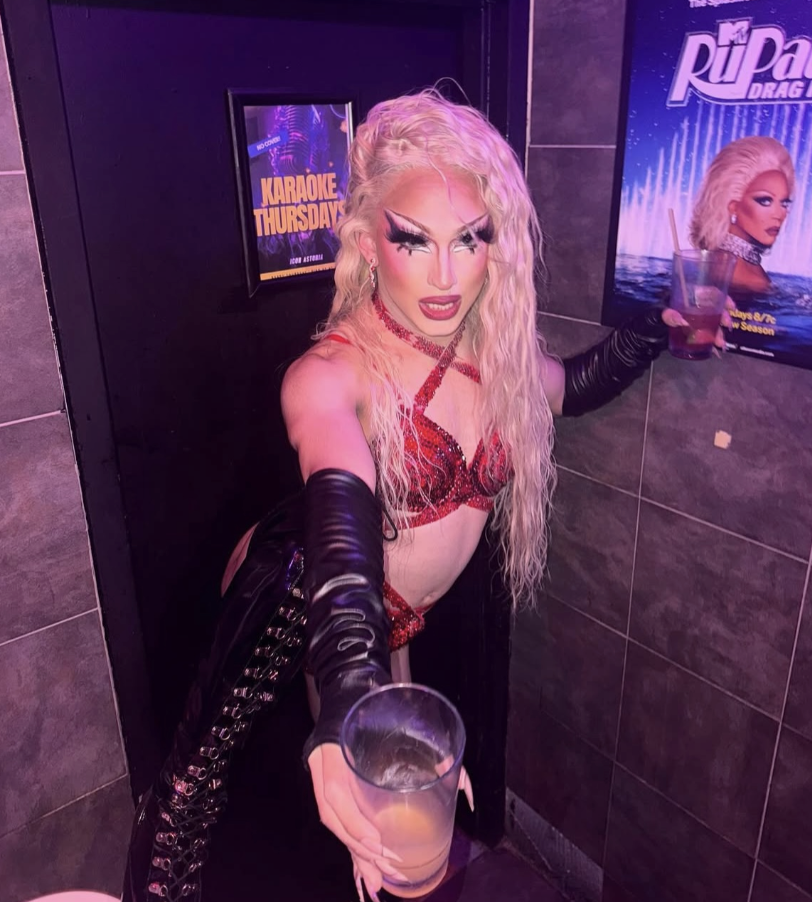
I first stumbled into Hamburger Mary’s in West Hollywood almost a year ago, drawn in by the alluring combination of disco lights and the smell of fried pickles coming from Santa Monica Boulevard— my first ever drag show to attend. It was “Bingo Night” and the host worked the crowd, coaxing out tips and laughs while calling bingo balls. None of the queens I would later interview were on the bill, but by the end of the evening, they planted a seed that would change how I see drag forever.
The atmosphere of instant family was what really got to me. The staff rushed between tables offering loaded tots and hug-level compliments, as regulars applauded newbies and drag queens hyped each other up mid-number. For two hours, the show invited everyone to be louder, freer, and kinder. It felt less like bar entertainment and more like a community reset button.
Now, a year later, each conversation circles back to that first spark: the realization that drag is not just art but an urgent, neon‑lit reminder of how alive community can feel when we choose to show up for one another.
